
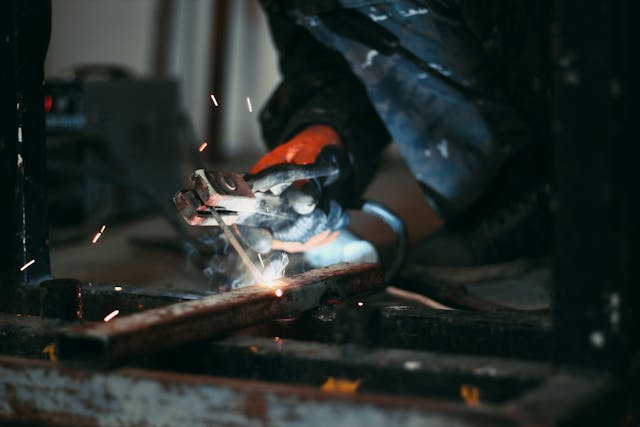
Welding and fabrication are essential processes used in industries such as construction, manufacturing, transportation, infrastructure, agriculture, and industrial production. Every fabrication project depends on selecting the right materials to ensure durability, strength, safety, and long-term performance. Different metals react differently to heat, pressure, corrosion, and welding methods, which is why material selection plays a major role in successful fabrication work.
From structural steel used in commercial buildings to aluminum components used in transportation and stainless steel in industrial facilities, each metal offers unique advantages depending on the application. Understanding the properties of commonly used metals helps contractors, manufacturers, and fabricators make informed decisions that improve efficiency, product lifespan, and overall project quality.
At Curtis Steel Company, we provide high-quality steel products and reliable metal solutions for industrial, commercial, and construction projects. Businesses searching for dependable metal supply Las Vegas services can rely on quality materials, professional support, and a wide range of steel and metal products designed to meet demanding project requirements.
Why Metal Selection Matters in Welding and Fabrication
Choosing the right metal is one of the most important parts of any fabrication or welding project. Different metals have different characteristics that affect weld strength, flexibility, corrosion resistance, heat tolerance, and structural integrity. Selecting the wrong material can lead to premature wear, cracking, corrosion, increased maintenance costs, and reduced project lifespan.
Before selecting materials, welders and fabricators typically consider several important factors, including strength requirements, corrosion resistance, weight, heat tolerance, weldability, environmental conditions, and cost efficiency. For example, structural projects often require heavy-duty steel capable of supporting large loads, while transportation industries may prioritize lightweight materials to improve fuel efficiency and performance. Outdoor projects may also require corrosion-resistant materials that can withstand harsh weather conditions over time.
Working with an experienced welding industrial supply company can help contractors and fabricators select the right materials for each application while ensuring long-term durability, performance, and cost efficiency across industrial and commercial projects.
Carbon Steel
Carbon steel is one of the most widely used metals in welding and fabrication because of its affordability, versatility, and strength. Carbon steel is primarily made from iron and carbon, with varying carbon levels affecting hardness and durability. Low-carbon steel, commonly called mild steel, is easier to shape, cut, and weld, making it a popular choice for construction and manufacturing applications. High-carbon steel offers greater hardness and wear resistance but may require more specialized welding techniques.
Carbon steel is commonly used in structural construction, industrial machinery, bridges, pipelines, manufacturing equipment, and automotive components. One of the biggest advantages of carbon steel is its cost-effectiveness because it offers strong structural support while remaining relatively affordable compared to many specialty metals. Businesses searching for a reliable Carbon Steel Supplier often prioritize consistent material quality, inventory availability, and dependable service to support demanding industrial, fabrication, and construction projects.
Stainless Steel
Stainless steel is another highly popular material used in welding and fabrication because of its excellent corrosion resistance and clean appearance. Stainless steel contains chromium, which forms a protective layer that helps resist rust and environmental damage.
This metal is commonly used in food processing facilities, commercial kitchens, water treatment systems, industrial piping, medical equipment, and architectural structures. Stainless steel performs especially well in environments exposed to moisture, chemicals, or high temperatures. In addition to corrosion resistance, stainless steel offers durability, strength, and low maintenance requirements.
There are several grades of stainless steel available, each designed for specific applications. Some grades focus on improved corrosion resistance, while others prioritize strength or heat tolerance. Although stainless steel is highly durable, it often requires specialized welding techniques to maintain appearance and structural integrity. Proper heat control is especially important during fabrication because excessive heat may affect corrosion resistance or cause distortion.
Aluminum
Aluminum is widely used in fabrication projects that require lightweight materials without sacrificing strength or durability. Aluminum weighs significantly less than steel while still offering excellent structural performance and corrosion resistance.
Common aluminum applications include transportation equipment, aerospace components, automotive parts, marine structures, trailers, and architectural systems. One of aluminum’s biggest advantages is its natural corrosion resistance. Aluminum forms a protective oxide layer that helps prevent rust and environmental damage even in outdoor or high-moisture environments.
Because of its lightweight properties, aluminum is commonly used in industries focused on fuel efficiency and transportation performance. However, aluminum welding can be more difficult than welding steel because aluminum transfers heat rapidly and may warp under high temperatures. Skilled welders often use specialized welding processes and equipment when fabricating aluminum products. Businesses working with aluminum tube suppliers often seek high-quality materials that provide strength, corrosion resistance, and reliable performance for industrial, transportation, and architectural applications.
Ornamental Metal in Fabrication
Ornamental metal plays an important role in fabrication projects that require both structural performance and visual appeal. Decorative metal materials are often used in commercial and residential projects where aesthetics are just as important as durability.
Fabricators commonly use ornamental steel and aluminum for decorative fencing, custom gates, stair railings, architectural accents, interior metal features, and commercial design elements. These materials offer long-lasting durability while also allowing for custom designs, finishes, and fabrication details. Powder coating, polishing, and protective finishes can further improve appearance and corrosion resistance.
Factors That Affect Weldability
Not all metals weld equally well. Weldability depends on factors such as chemical composition, melting point, heat sensitivity, and thermal conductivity. Low-carbon steel is generally considered one of the easiest metals to weld because it works well with many welding methods. Stainless steel and aluminum often require more advanced skills and specialized equipment.
Metal thickness also affects welding difficulty. Thick materials may require additional preparation and heat, while thinner materials are more vulnerable to distortion or burn-through. Environmental conditions, structural requirements, and desired appearance also influence welding techniques and material selection.
Importance of Quality Materials in Fabrication
Using high-quality metals is critical for producing strong, safe, and long-lasting fabrication results. Poor-quality materials may contain inconsistencies, impurities, or defects that weaken weld strength and reduce overall performance.
Reliable metal suppliers help businesses access products that meet industry standards and project specifications. High-quality steel products improve fabrication efficiency, reduce maintenance problems, and increase long-term durability.
At Curtis Steel Company, we are committed to providing dependable steel products and metal solutions for industrial, commercial, and construction projects throughout the region.
Explore our local supply areas: Phoenix Metal Supply, Victorville Metal Supply, St. George Metal Supply, and Cedar City Metal Supply.
Frequently Asked Questions
1. What is the most commonly used metal in welding?
Carbon steel is one of the most commonly used metals because of its affordability, strength, and versatility.
2. Why is stainless steel popular in fabrication?
Stainless steel offers excellent corrosion resistance, durability, and low maintenance for industrial and commercial applications.
3. Is aluminum difficult to weld?
Aluminum can be more challenging to weld because it transfers heat quickly and may warp under high temperatures.
4. What is galvanized steel used for?
Galvanized steel is commonly used in outdoor and industrial projects because of its protective zinc coating and corrosion resistance.
5. Why are quality steel products important in fabrication?
High-quality materials improve weld strength, durability, safety, and long-term structural performance.
Conclusion
Welding and fabrication projects rely heavily on selecting the right metals for durability, strength, corrosion resistance, and overall performance. Carbon steel, stainless steel, aluminum, galvanized steel, and ornamental metal products each serve important roles across a wide range of industries and applications.
At Curtis Steel Company, we provide quality steel products and dependable metal solutions designed to support industrial, commercial, and construction fabrication projects of all sizes.Call us today at 702.952.3000 or request a quote through our contact page to learn more about our products and services.