
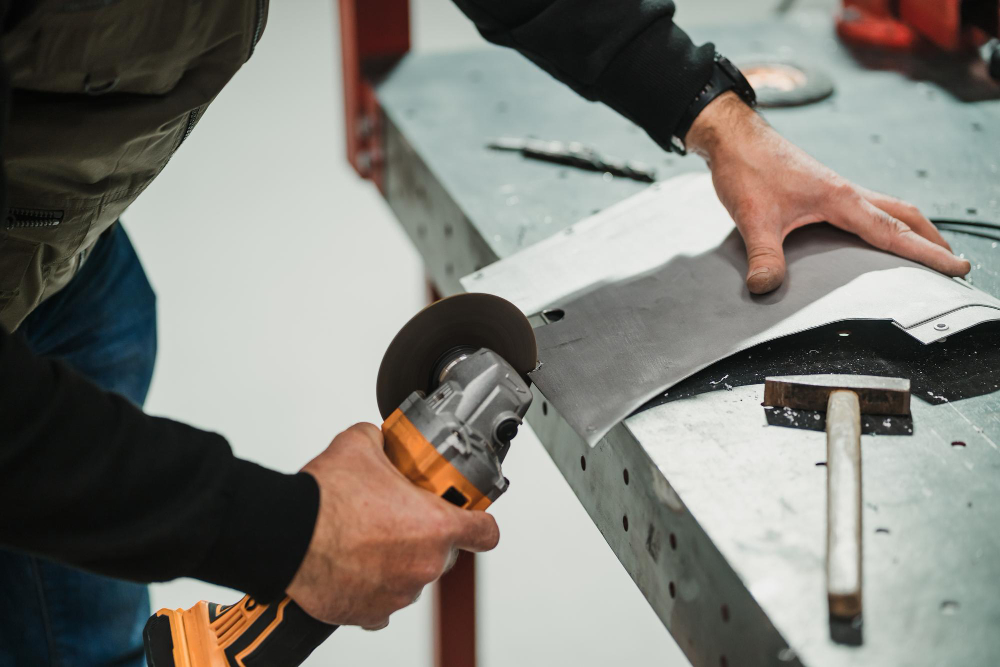
In the metal fabrication industry, choosing the right cutting method is essential for achieving efficiency, precision, and cost-effectiveness. Whether you are working on structural steel, custom metal parts, or large-scale industrial projects, the cutting technique you choose directly impacts the quality of your final product. Two of the most widely used methods today are saw cutting and laser cutting. While both are highly effective, they serve different purposes depending on the type of material, design requirements, and project goals.
Understanding when to choose saw cutting versus laser cutting can help businesses optimize their processes, reduce material waste, and improve turnaround times. With experienced providers like Steel Distributors, offering a wide range of fabrication services, selecting the right method becomes much easier when you know what to look for.
Understanding Saw Cutting and Laser Cutting
Before deciding which method is right for your project, it’s important to understand how each process works. Saw cutting is a traditional mechanical method that uses a blade—often toothed or abrasive—to cut through metal. It is widely used for heavy-duty applications where strength, speed, and durability are the primary focus.
Laser cutting, on the other hand, uses a high-powered laser beam to melt, burn, or vaporize material, resulting in extremely clean and precise cuts. This method is ideal for projects that require detailed designs, smooth edges, or tight tolerances.
Both techniques are often used alongside additional fabrication processes, such as welding supplies, where proper preparation, assembly, and finishing play a key role in achieving high-quality and durable results.
When Saw Cutting Is the Better Choice
Saw cutting is best suited for projects that involve thick materials and large quantities. It is commonly used in construction, infrastructure, and industrial manufacturing, where straight cuts and structural integrity are more important than intricate detailing.
For example, when working with durable materials from a Carbon Steel Supplier, saw cutting provides a reliable and cost-effective solution. It can handle heavy-duty applications with ease, making it ideal for beams, pipes, and other structural components.
Another advantage of saw cutting is its efficiency in bulk processing. When a project requires cutting large volumes of material quickly, this method delivers consistent results without significantly increasing costs.
Applications such as Steel Grating Las Vegas also benefit from saw cutting, as these materials typically require straightforward, uniform cuts rather than complex or detailed shapes.
Limitations of Saw Cutting
Despite its strengths, saw cutting does have limitations. It is not suitable for projects that require intricate designs or fine detailing. The edges produced by saw cutting may also be rougher compared to laser cutting, which means additional finishing processes may be required.
For businesses that prioritize precision and aesthetics, relying solely on saw cutting may not deliver the desired results. In such cases, laser cutting becomes the preferred option.
When Laser Cutting Is the Right Option
Laser cutting is ideal for projects that require high precision, detailed designs, and smooth finishes. It is commonly used in industries such as automotive, aerospace, and custom fabrication, where accuracy is critical.
Materials like those available from aluminum tube suppliers are particularly well-suited for laser cutting due to their ability to be cut cleanly with minimal distortion. This makes laser cutting an excellent choice for lightweight components and decorative elements.
One of the biggest advantages of laser cutting is its ability to produce complex shapes with tight tolerances. It also reduces material waste, as the laser beam is extremely precise.
In addition, laser cutting often eliminates the need for secondary finishing processes. The clean edges it produces can save time and labor, making it a valuable option for projects where both quality and efficiency are essential.
Comparing Cost and Efficiency
Cost is often a deciding factor when choosing between saw cutting and laser cutting. Saw cutting is generally more affordable, especially for large-scale projects involving thick materials. Its straightforward process and lower equipment costs make it a practical choice for many industrial applications.
Laser cutting, while more expensive, offers value through precision and reduced waste. For projects that require detailed work or high-quality finishes, the additional cost can be justified.
Ultimately, the decision comes down to balancing your budget with your project requirements. In many cases, investing in the right cutting method can lead to long-term savings by reducing errors and rework.
Combining Saw Cutting and Laser Cutting
In many modern fabrication projects, the best results come from using both saw cutting and laser cutting together. For example, saw cutting can handle bulk material efficiently, while laser cutting refines the final design with precision.
This combination allows businesses to leverage the strengths of both methods, improving overall efficiency while maintaining high-quality results.
Working with a full-service provider that offers Saw Cutting Service ensures you have access to both techniques, along with expert guidance on how to use them effectively for your specific project needs.
Service Coverage and Regional Support
Having access to reliable metal cutting and fabrication services is just as important as choosing the right method. Working with an experienced provider like Curtis Steel ensures your project is handled with both technical expertise and efficiency.
Curtis Steel serves multiple regions, making it easier for businesses to get fast and dependable support. For projects in Phoenix, customers can access a full range of metal fabrication and cutting services tailored to both small and large-scale needs.
In Utah, businesses in St. George andCedar City benefit from localized service, helping reduce delays and improve turnaround times for ongoing projects.
For companies operating in California, services are also available in Victorville, where high-quality metal processing and fabrication solutions are designed to meet regional industry demands.
With strategically placed service locations, Curtis Steel ensures quicker delivery, better coordination, and consistent quality across every project.
Choosing the Right Method for Your Project
Selecting the right cutting method depends on several key factors. Material type, thickness, design complexity, and budget all play a role in the decision-making process.
If your project involves thick materials, straight cuts, and high volumes, saw cutting is likely the best option. On the other hand, if your project requires precision, intricate designs, and minimal finishing, laser cutting is the better choice.
Consulting with experienced professionals can help you evaluate your needs and choose the most efficient approach. By working with experts, you can ensure that your project is completed to the highest standards.
Frequently Asked Questions (FAQs)
1. Which is more cost-effective, saw cutting or laser cutting?
Saw cutting is generally more cost-effective for large and thick materials, while laser cutting is better suited for precision work.
2. Can laser cutting handle thick materials?
Laser cutting can handle thick materials, but it becomes less efficient compared to saw cutting for very heavy metals.
3. Is saw cutting suitable for detailed designs?
No, saw cutting is best for straight cuts and simple shapes, not intricate designs.
4. Does laser cutting require additional finishing?
In most cases, laser cutting produces clean edges that require little to no additional finishing.
5. Can both methods be used in one project?
Yes, combining both methods can improve efficiency and deliver better results.
Conclusion
Choosing between saw cutting and laser cutting is an important decision that can impact the success of your project. While saw cutting offers strength, efficiency, and affordability, laser cutting provides precision, flexibility, and superior finish quality.
The right choice depends on your specific needs, and in many cases, a combination of both methods delivers the best results.
If you’re unsure which method is right for your project, visit or contact us today to get expert guidance and reliable metal-cutting solutions tailored to your requirements.