
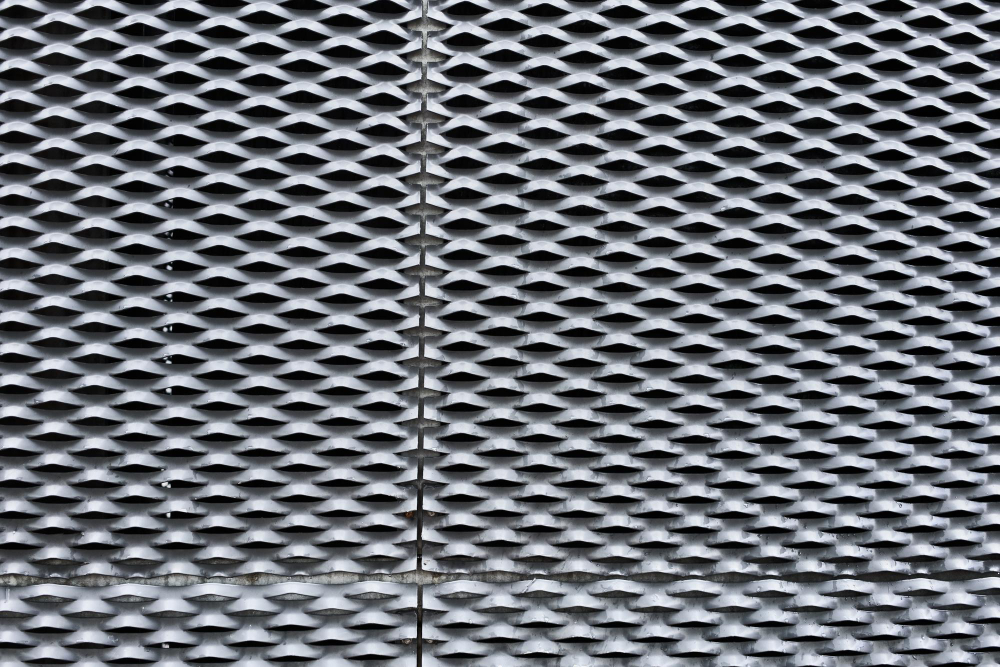
Expanded metal and sheet metal are two of the most common materials in construction and fabrication. At a glance, they can seem interchangeable, since both start as flat metal. In practice, they are very different products with different strengths. One is a solid surface, and the other is an open mesh. Choosing the right one affects the weight, cost, look, and performance of your project. This guide breaks down what expanded metal and sheet metal are, how they are made, and how to pick the best option for the job.
What Is Sheet Metal?
Sheet metal is metal rolled into thin, flat sheets. It is a solid surface with no openings, which makes it ideal whenever you need full coverage or a smooth finish. Sheet metal is measured by gauge, where a higher gauge number means a thinner sheet.
It is easy to cut, bend, weld, and form into almost any shape, which is why it appears in so many products. Sheet metal comes in many metals, including carbon steel, stainless steel, and aluminum. Its solid form makes it the go-to choice for panels, enclosures, ductwork, and surfaces that need to block air, water, or light.
What Is Expanded Metal?
Expanded metal is a sheet of metal that has been cut and stretched to create a pattern of openings, usually diamond-shaped. The result is a strong, lightweight mesh made from a single piece of metal with no welds or joints. The open pattern lets air, light, and water pass through while still providing a solid structure.
Expanded metal comes in two main styles. Standard, or raised, expanded metal has a slightly textured surface that adds grip. Flattened expanded metal is rolled smooth for a flush surface. Like sheet metal, it is available in steel, stainless steel, and aluminum. You can find expanded metal alongside grating and decking products used for walkways, screens, and more.
How Each One Is Made
The way these two materials are made is the biggest difference between them. Sheet metal is produced by passing metal through rollers that press it into a thin, flat sheet. The result is a solid, continuous surface.
Expanded metal starts as a solid sheet or coil. A machine slits the metal and stretches it at the same time, opening up the diamond pattern. Because the metal is stretched rather than punched out, almost none is wasted in the process. This is why a piece of expanded metal covers more area and weighs less than a solid sheet of the same starting size.
The Key Differences
The two materials differ in several practical ways. Weight is a major one. Expanded metal is much lighter than a solid sheet covering the same area, which can lower shipping and support costs. Sheet metal, being solid, is heavier but provides full coverage.
Strength is another important consideration. Expanded metal is surprisingly strong for its weight because it is formed from a single continuous piece of metal with no welds that could weaken over time. Airflow, light, and drainage pass easily through expanded metal, while solid sheet metal creates a complete barrier. Expanded metal also offers natural traction, making it a popular choice for walkways, platforms, and safety applications, whereas sheet metal provides a smooth, uninterrupted surface. Cost often favors expanded metal for open-design projects because it uses less material. The right choice depends on the specific requirements of your project. Both materials are available in aluminum and steel options, and can be paired with products such as aluminum tubing to create durable, lightweight structures suited for a wide range of industrial, commercial, and architectural applications.
Common Uses for Sheet Metal
Sheet metal is the right choice whenever you need a solid, continuous surface. It is used for roofing, siding, and wall panels, as well as HVAC ductwork that must contain airflow. Enclosures, cabinets, and machine housings rely on sheet metal to protect what is inside.
You will also find it in signage, automotive body panels, appliances, brackets, and countless fabricated parts. Because it bends and welds easily, sheet metal is a fabricator’s everyday material. Our laser cutting and other processing services shape sheet metal to exact specifications for these uses.
Common Uses for Expanded Metal
Expanded metal shines wherever you need strength plus openness. It is widely used for walkways, catwalks, stair treads, and ramps, where its texture provides slip resistance and its openings let water and debris fall through. Security screens, fences, gates, and machine guards use expanded metal for protection without fully blocking visibility or airflow.
It also appears in ventilation grilles, filters, shelving, and trailer floors. Architects use it for decorative facades and sunshades, where the pattern adds style while reducing weight and allowing light. Anywhere airflow, drainage, or grip matters, expanded metal is often the answer.
How to Choose the Right One
Start with one question: do you need a solid surface or an open one? If you need to block air, water, or light, or you want a smooth finish, sheet metal is the answer. If you need airflow, drainage, visibility, grip, or lighter weight, expanded metal is usually the better fit.
Then consider weight, cost, and appearance. Think about the loads the material will carry and the environment it will face, which also guides the choice of metal. When you are not sure, a knowledgeable supplier can walk you through the options. Our shear and forming services can then prepare either material to your exact size and shape.
Locations We Serve
Customers outside Las Vegas rely on Curtis Steel too. We provide metal supply and processing, including rolling, to businesses and contractors in many surrounding areas. That includes Phoenix, St. George, Victorville, and Cedar City, along with the wider Las Vegas Valley. Whatever your project needs, we cut and process the metal to spec and arrange delivery to your location.
Frequently Asked Questions
What is the main difference between expanded metal and sheet metal?
Sheet metal is a solid, flat surface with no openings, while expanded metal is a mesh made by slitting and stretching a sheet into a pattern of openings.
Is expanded metal stronger than sheet metal?
For its weight, expanded metal is very strong because it is a single piece with no welds. Sheet metal can be thicker and fully solid, so the stronger choice depends on the application.
Which is cheaper, expanded metal or sheet metal?
For open applications, expanded metal is often more economical because it uses less material to cover the same area.
Can expanded metal and sheet metal be made from the same metals?
Yes. Both are available in carbon steel, stainless steel, and aluminum. The right metal depends on factors like strength, weight, and corrosion resistance for your project’s environment.
When should I use expanded metal instead of sheet metal?
Use expanded metal when you need airflow, drainage, visibility, slip resistance, or lighter weight, such as for walkways, screens, and guards.
Conculsion
Expanded metal and sheet metal each have a clear place. Sheet metal gives you a solid, smooth surface for panels, enclosures, and ductwork. Expanded metal gives you a strong, lightweight mesh for walkways, screens, and anywhere airflow and grip matter. Once you know what your project needs, the choice becomes simple, and the right supplier makes it even easier.
Curtis Steel & Aluminum has supplied quality metal to Nevada projects since 1970. We carry sheet metal, expanded metal, and a full range of products, with cutting and forming services to match. To find the right material for your project, call 702.952.3000 or request a quote.