
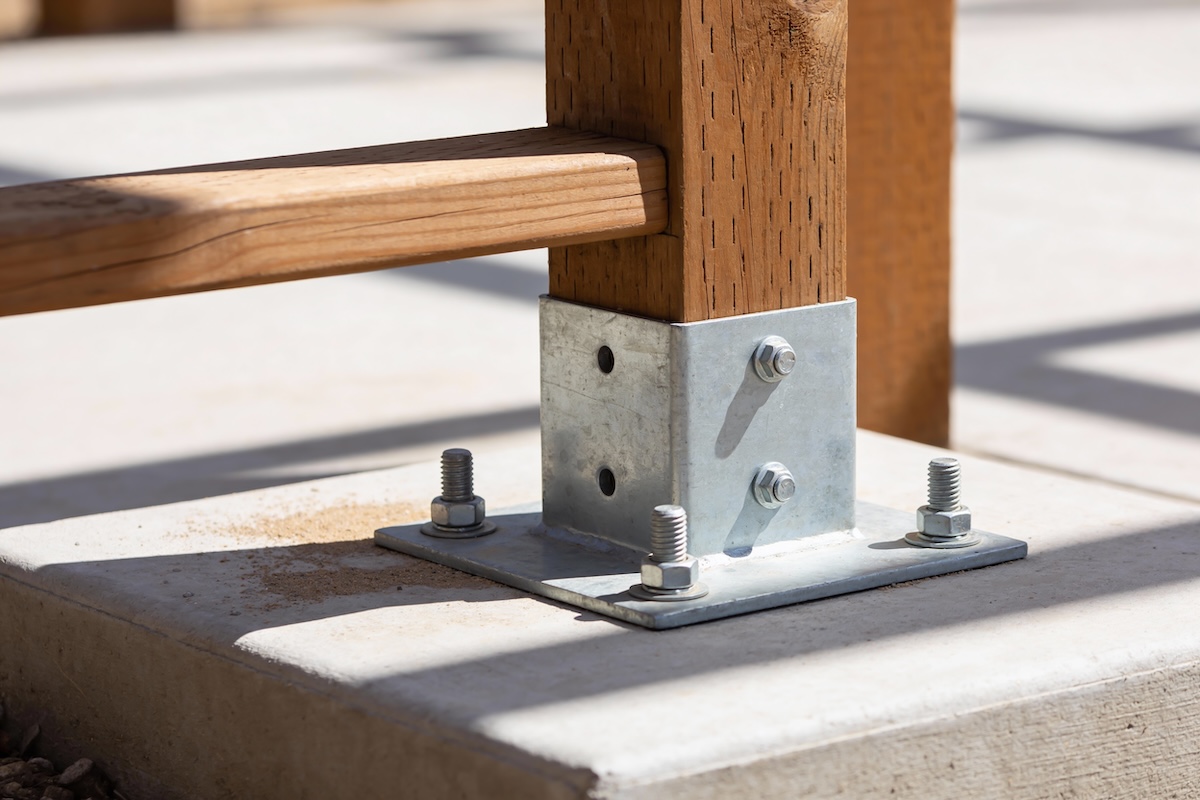
Las Vegas is known for its extreme desert climate, intense sunlight, and high summer temperatures. During peak summer months, temperatures regularly rise above 100 degrees Fahrenheit, creating difficult conditions for buildings, outdoor structures, industrial equipment, and construction materials. In environments like Las Vegas, choosing the right metals and fabrication materials is essential for ensuring long-term durability, structural performance, and safety.
Many people underestimate how much heat impacts metal fabrication and construction projects over time. Constant exposure to UV radiation, dry air, rapid temperature changes, and thermal expansion can significantly affect the lifespan and performance of materials if they are not selected properly.
For contractors, engineers, architects, and property owners, understanding how Las Vegas heat affects material selection is important for reducing maintenance costs, preventing structural damage, and improving long-term project performance. At Curtis Steel, we help clients choose durable steel products and fabrication solutions designed specifically for harsh desert environments. Businesses searching for trusted metal and steel suppliers Las Vegas can rely on high-quality materials and expert support for industrial, commercial, and construction projects built to withstand extreme desert conditions.
Why Las Vegas Climate Creates Unique Challenges
Las Vegas presents unique environmental conditions compared to many other parts of the country. Extreme daytime temperatures combined with cooler nights create constant thermal cycling that affects how metals and construction materials behave over time.
In addition to heat, Las Vegas environments also experience intense UV exposure, dry air conditions, dust accumulation, occasional monsoon moisture, and rapid temperature fluctuations. These factors place additional stress on outdoor structures and industrial equipment.
Materials used in commercial construction, warehouses, outdoor railings, fencing systems, roofing structures, staircases, and fabrication projects must all be capable of handling long-term heat exposure without losing strength or structural integrity. Poor material selection may lead to premature cracking, warping, corrosion, fading, and expensive repairs.
Thermal Expansion and Metal Movement
One of the biggest ways heat affects metal is through thermal expansion. Metals naturally expand when temperatures increase and contract when temperatures cool. In Las Vegas, daily temperature fluctuations create repeated expansion and contraction cycles that place stress on structures and fabricated components.
Over time, thermal movement may lead to structural fatigue, cracking, joint separation, fastener loosening, warping, and material failure if these factors are not considered during the design process.
Different metals react differently to temperature changes. Some materials expand more rapidly than others, making proper engineering and fabrication extremely important for long-term performance. Engineers and fabricators must account for thermal movement when designing structures exposed to extreme desert conditions.
Choosing Heat-Resistant Metals
Not all metals perform equally under high temperatures. Some materials are far better suited for desert climates because they resist heat, corrosion, and environmental stress more effectively.
Steel
Steel remains one of the most commonly used materials in commercial and industrial construction because of its strength, versatility, and durability. Structural steel is widely used in warehouses, manufacturing facilities, infrastructure projects, and outdoor structures throughout Las Vegas.
Galvanized steel is especially popular because its protective zinc coating helps resist corrosion and environmental wear. Proper coatings and fabrication methods allow steel to perform effectively under intense heat exposure while maintaining structural reliability. Businesses searching for steel deck Las Vegas solutions often choose durable galvanized and structural steel products designed to provide long-term strength, stability, and performance in harsh desert environments.
Aluminum
Aluminum is another material frequently used in desert climates because it is lightweight and naturally resistant to corrosion. Aluminum reflects heat more effectively than some other metals, making it useful for roofing systems, outdoor structures, decorative fabrication, and architectural projects.
However, aluminum expands more than steel under high temperatures. This means proper installation and structural design are critical for preventing movement-related issues over time. Businesses working with aluminum tube suppliers Las Vegas contractors trust often seek high-quality materials designed to deliver durability, corrosion resistance, and reliable performance in demanding desert environments.
Stainless Steel
Stainless steel offers exceptional corrosion resistance and heat performance, making it ideal for industrial applications, food processing facilities, outdoor fabrication, and commercial projects where durability and appearance are both important.
Although stainless steel often costs more initially, its long-term durability frequently reduces maintenance and replacement costs over time.
Outdoor Structures and Material Selection
Outdoor structures in Las Vegas experience some of the harshest environmental conditions throughout the year. Pergolas, fences, awnings, staircases, handrails, and industrial structures must all withstand continuous sunlight and high temperatures.
Material selection for outdoor projects should prioritize heat resistance, structural durability, corrosion protection, UV resistance, and low maintenance requirements. Poor material choices may result in cracking, fading, warping, corrosion, and premature structural failure.
Experienced fabrication companies understand how environmental conditions affect long-term material performance and can recommend solutions specifically designed for desert climates.
Energy Efficiency and Heat Reflection
Material selection also affects energy efficiency in residential and commercial construction. Certain metals and coatings reflect heat more effectively, helping reduce heat absorption and improve indoor comfort during extreme summer temperatures.
Reflective roofing systems and heat-resistant coatings are commonly used in Las Vegas projects to improve energy efficiency and reduce HVAC strain. Energy-efficient materials may help lower cooling costs, improve indoor temperature control, and extend roofing lifespan.
As sustainability becomes increasingly important, many property owners prioritize materials that improve both durability and energy performance. Contractors and fabricators searching for welding supplies Las Vegas professionals rely on often look for high-quality materials and equipment that support long-lasting, energy-efficient construction and fabrication projects.
Why Professional Fabrication Matters
Even high-quality materials may fail prematurely if fabrication or installation is not performed correctly. Professional fabrication plays a major role in determining how materials perform under extreme desert conditions.
At Curtis Steel, we proudly provide steel and metal supply solutions across multiple regions. Explore our local supply, including Phoenix Metal Supply, Victorville Metal Supply, St. George Metal Supply, and Cedar City Metal Supply.
Frequently Asked Questions
1. Does extreme heat weaken metal?
Extreme heat can affect metal expansion, stress levels, and long-term durability if materials are not selected and engineered properly.
2. What metal works best in Las Vegas heat?
Steel, galvanized steel, stainless steel, and aluminum are commonly used depending on the project requirements and environmental exposure.
3. Why is thermal expansion important?
Thermal expansion causes metals to expand and contract during temperature changes, which may create structural movement and stress over time.
4. Can metal rust in desert climates?
Yes. Moisture, dust, irrigation systems, and environmental exposure can still contribute to corrosion in dry climates.
5. Why are protective coatings important?
Protective coatings help reduce UV damage, corrosion, weather exposure, and long-term surface deterioration.
Conclusion
Las Vegas heat creates unique challenges for construction materials, fabrication projects, and outdoor structures. Extreme temperatures, UV exposure, thermal expansion, and desert conditions all influence how metals perform over time.
Choosing the right materials is essential for ensuring long-term durability, structural reliability, energy efficiency, and safety. Steel, aluminum, and stainless steel each offer different advantages depending on the project requirements and environmental conditions.At Curtis Steel, we provide high-quality steel products and fabrication solutions designed specifically for Las Vegas conditions. Call us today at 702.952.3000 or request a quote through our contact page to learn more about our products and services.