
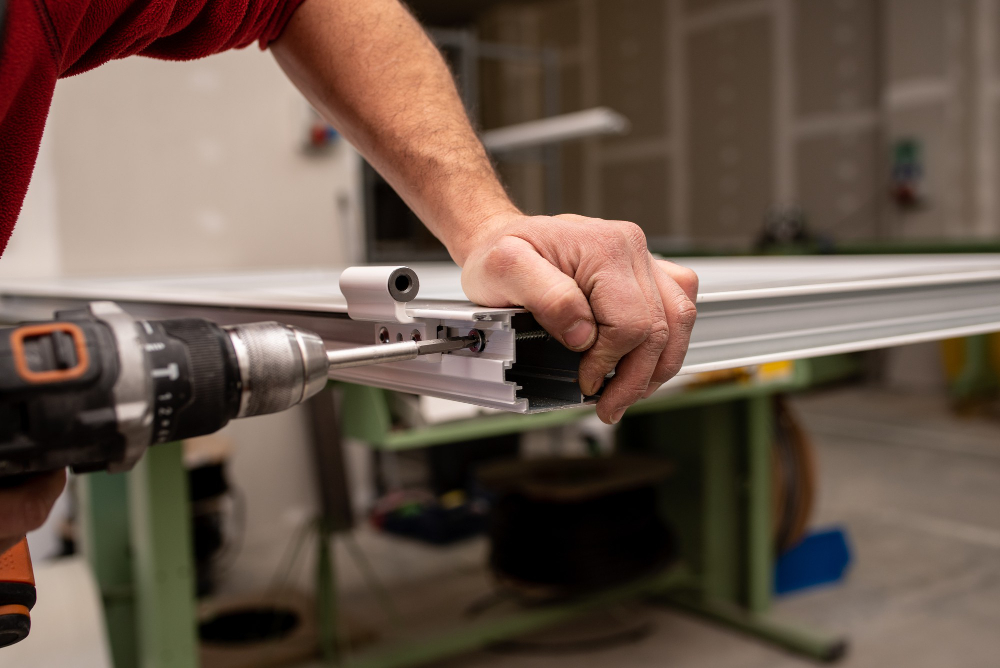
When it comes to outdoor construction, few materials offer the same balance of strength, flexibility, and resistance to the elements as aluminum. Its lightweight nature and durability make it a top choice for everything from architectural panels and signage to fences, frames, and industrial equipment. Unlike other metals that can rust or warp over time, aluminum holds its structural integrity while maintaining a clean, polished look — even when exposed to harsh weather.
At Curtis Steel, we understand that selecting the right metal for outdoor builds can make all the difference in performance and longevity. As one of the leading metal and steel suppliers Las Vegas builders rely on, we know that while steel remains the backbone of many construction projects, aluminum stands out for its corrosion resistance, versatility, and ease of fabrication. Let’s explore why aluminum is such an excellent choice for outdoor applications and how it compares to other metals.
1. Lightweight Strength for Structural Versatility
One of the most notable characteristics of aluminum is its high strength-to-weight ratio. It’s approximately one-third the weight of steel, which makes it easier to handle, transport, and install — a huge advantage in construction and fabrication.
Despite being lightweight, aluminum doesn’t compromise on strength. Modern alloys are designed to withstand significant stress, making them suitable for outdoor frameworks, architectural components, gates, and industrial enclosures. The reduced weight also means less strain on supporting structures and foundations, especially in large installations like roofing panels or signage systems.
At Curtis Steel, our aluminum Products and sheets, and coil metals meet the exacting demands of construction and manufacturing projects, helping customers balance efficiency and durability with cost-effectiveness.
2. Exceptional Corrosion Resistance
Perhaps the most important reason aluminum excels outdoors is its natural ability to resist corrosion. Unlike steel, aluminum doesn’t rust. Instead, it forms a thin, protective oxide layer when exposed to oxygen. This layer acts as a natural barrier against moisture, chemicals, and UV exposure — preventing the kind of deterioration seen in untreated metals.
Even in coastal or humid environments where salt and moisture are common, aluminum maintains its clean appearance and structural strength. This makes it ideal for marine applications, window frames, outdoor furniture, and building facades.
For projects where corrosion resistance is critical, aluminum often outperforms untreated steel. However, when enhanced strength or load-bearing capacity is needed, galvanized steel offers a similar protective advantage with a zinc coating.
3. Resistant to Temperature Changes
Outdoor structures must endure fluctuating weather — from intense heat to cool, damp conditions. Aluminum performs exceptionally well under thermal stress because it expands and contracts uniformly with temperature changes. This predictability helps minimize cracking, distortion, or fatigue in structural components.
Compared to materials like steel or iron, aluminum’s molecular stability allows it to maintain performance across a wider range of climates. It won’t warp or weaken in the heat, nor will it become brittle in the cold. That’s why aluminum is a top choice for roofing systems, window frames, and architectural cladding in both commercial and residential projects.
At Curtis Steel, we help customers choose the right metals for their region’s environmental conditions. Our experts ensure every product — whether it’s cold-rolled steel or high-grade aluminum — meets the performance standards required for long-term outdoor exposure.
Learn More about the outdoor ( https://curtissteel.com/what-type-of-steel-is-best-for-outdoor-projects/)
4. Low Maintenance and Long Lifespan
Maintenance is one of the biggest considerations in outdoor design, especially for structures constantly exposed to wind, rain, or sunlight. Aluminum’s self-protective surface layer means it requires very little upkeep. Occasional cleaning to remove dirt or debris is usually enough to keep it looking new.
Unlike painted steel, aluminum doesn’t require regular recoating to prevent oxidation. It also resists fading, chipping, and peeling, which makes it ideal for outdoor signage, decorative panels, and lighting fixtures. Its long lifespan reduces replacement costs, making it an economical long-term investment.
For comparison, galvanized steel also offers impressive durability but may need periodic maintenance in heavily salted or coastal environments. Aluminum, however, remains virtually maintenance-free for decades when properly installed.
5. Eco-Friendly and Sustainable Material Choice
As sustainability becomes a priority in modern construction, aluminum’s environmental advantages are hard to ignore. It’s 100% recyclable without losing strength or quality, and recycling aluminum requires only a fraction of the energy needed for new production.
Many builders and fabricators choose aluminum for green building projects because of its long life, energy efficiency, and reduced carbon footprint. Its lightweight nature also lowers transportation emissions — another hidden benefit in sustainable construction.
At Curtis Steel, we’re committed to supplying high-quality, eco-conscious materials. Whether you’re working with aluminum, carbon plate steel, or other metals, our team helps you source responsibly and efficiently.
6. Easy Fabrication and Design Flexibility
Fabricators love aluminum because it’s easy to work with. It can be cut, bent, welded, or extruded into nearly any shape without compromising its structural integrity. Its flexibility opens up creative design possibilities for architects, builders, and product designers.
Whether forming intricate architectural trims or large industrial panels, aluminum’s malleability allows for precision manufacturing and custom applications. It also holds paint and coatings exceptionally well, providing both functional and aesthetic versatility.
If your project requires additional finishes or treatments, our team at Curtis Steel can recommend the right preparation methods to ensure durability and performance in outdoor environments.
7. Cost-Effectiveness Over Time
While aluminum may cost more initially than some steel options, its long-term savings often outweigh the upfront expense. Its corrosion resistance, longevity, and minimal maintenance translate into lower lifetime costs.
For outdoor applications where exposure to moisture or salt is inevitable, aluminum’s durability makes it more economical in the long run. In fact, many contractors and builders view it as an investment — paying once for a material that lasts for decades without needing frequent repairs or replacements.
At Curtis Steel, we work with clients to compare costs, performance, and application needs to determine whether aluminum or steel is the smarter long-term choice for each project.
When to Choose Aluminum Over Steel
Both steel and aluminum have their strengths, and the best choice depends on the specific project. Choose aluminum when:
- You need a lightweight, easy-to-install material.
- Corrosion resistance is a top priority.
- A decorative or polished finish is desired.
- Low maintenance is important for long-term cost savings.
On the other hand, if extreme strength or heavy load-bearing capacity is required, galvanized or carbon steel may still be the better fit. Our experts at Curtis Steel are always available to help determine which material best fits your environment, function, and design.
Frequently Asked Questions
1. Why is aluminum ideal for outdoor use?
Aluminum naturally resists rust and corrosion due to its oxide layer, making it perfect for outdoor environments that face moisture, rain, and UV exposure.
2. Does aluminum require special maintenance?
Not usually. Aluminum’s protective surface means minimal maintenance is needed — just periodic cleaning to remove dirt or salt buildup.
3. Can aluminum handle cold and hot weather?
Yes. Aluminum performs well across temperature extremes, maintaining its strength and flexibility in both cold and hot conditions without warping or cracking.
4. How does aluminum compare to galvanized steel?
While galvanized steel is extremely strong and corrosion-resistant, aluminum offers better resistance in coastal or humid climates and is significantly lighter in weight.
5. Is aluminum environmentally friendly?
Absolutely. It’s one of the most sustainable metals available — fully recyclable, energy-efficient to produce, and long-lasting, reducing the need for frequent replacements.
Conclusion: Aluminum – The Smart Choice for Outdoor Builds
When it comes to outdoor construction, aluminum stands as a top-performing material thanks to its combination of light weight, corrosion resistance, and versatility. Its ability to resist rust, endure temperature extremes, and maintain its appearance for decades makes it an excellent choice for both commercial and residential builds.
At Curtis Steel, we’re proud to supply premium-grade materials that stand up to real-world demands. Whether you’re working with galvanized steel, cold-rolled steel, or aluminum for your next project, our experts can help you make the right choice based on your design and environmental conditions.
Explore our full range of steel products today or contact our team for a personalized consultation. We’ll help ensure your outdoor projects are built to last — strong, efficient, and ready to withstand any season.