
Laser cutting has become one of the most advanced and efficient fabrication technologies used in modern metal processing. As industries continue to demand tighter tolerances, faster turnaround times, and cleaner finishes, laser cutting stands out as a reliable solution. Whether fabricating structural components, custom metal parts, or detailed architectural elements, laser cutting delivers accuracy, consistency, and speed that traditional methods often cannot match.
At Curtis Steel, we understand that choosing the right cutting method impacts project quality, production timelines, and overall cost. As a trusted tubing supplier in Las Vegas, we work closely with contractors, manufacturers, and fabricators to ensure they have access to precision-cut materials that meet exact specifications. Understanding how laser cutting works and when it should be used can help professionals make informed decisions for their steel and metal projects.
What Is Laser Cutting?
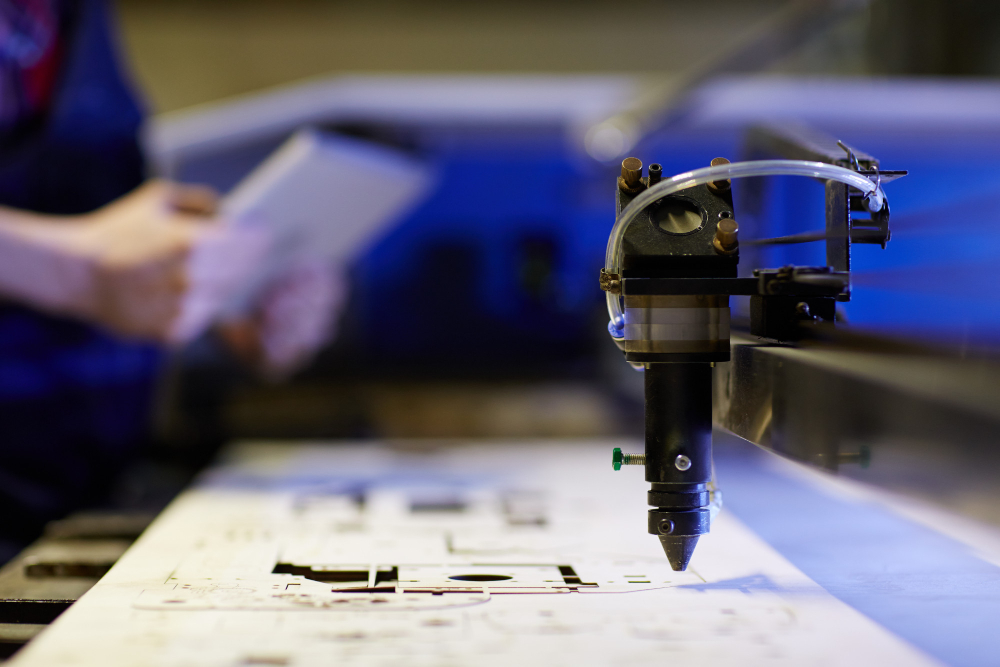
Laser cutting is a metal fabrication process that uses a high-powered, focused laser beam to cut through materials such as carbon steel, stainless steel, aluminum, and other metals. The laser beam generates intense heat at a precise point on the material’s surface, melting or vaporizing the metal along a programmed path.
Unlike mechanical cutting methods that rely on physical force, laser cutting is a non-contact process. This means there is minimal mechanical stress placed on the material. The result is a highly accurate cut with clean edges and limited distortion. Computer-controlled systems guide the laser using digital design files, ensuring consistency and repeatability across production runs.
How Laser Cutting Works
The process begins with a digital design file created using computer-aided design (CAD) software. This file defines the shape, dimensions, and intricate details required for the finished component. The file is then uploaded into the laser cutting system, which precisely directs the laser beam along the programmed path.
The laser beam is focused through a specialized lens, generating extreme heat at a highly concentrated point. Assist gases such as oxygen or nitrogen are used to remove molten material from the cut zone, resulting in clean, precise cuts. This process produces smooth edges with minimal burrs, significantly reducing the need for secondary finishing operations.
Because the process is automated and digitally controlled, a professional Laser Cutting Service ensures consistent quality, tight tolerances, and repeatable accuracy—even in high-volume production environments.
Key Advantages of Laser Cutting
Laser cutting offers several advantages over traditional cutting methods, such as mechanical sawing or plasma cutting. One of the primary benefits is precision. Laser systems can achieve extremely tight tolerances, making them ideal for projects requiring detailed patterns or intricate shapes.
Another major advantage is speed. Laser cutting machines operate efficiently, allowing for rapid production without sacrificing quality. This efficiency reduces lead times and supports tight project schedules.
Laser cutting also minimizes material waste. The narrow kerf width—the width of the cut made by the laser—means more parts can be nested onto a single sheet of material. This maximizes yield and lowers material costs.
Additionally, the heat-affected zone is relatively small compared to other thermal cutting methods. This helps preserve the structural integrity of the metal and reduces warping or distortion.
When Should You Use Laser Cutting?
Laser cutting is best suited for projects that require high precision, clean finishes, and repeatability. It is particularly effective for thinner to medium-thickness metals where tight tolerances are critical.
You should consider laser cutting when your project includes complex geometries, detailed cutouts, or custom shapes that would be difficult to achieve using traditional mechanical methods. Architectural panels, decorative metal features, machine parts, brackets, and custom fabrication components often benefit from laser cutting technology.
Laser cutting is also ideal for projects requiring the consistent production of identical parts. Because the process is digitally controlled, it ensures uniformity from the first piece to the last.
Laser Cutting vs. Plasma and Mechanical Cutting
While laser cutting offers exceptional precision, it is important to understand how it compares to other cutting methods. Plasma cutting is often used for thicker steel plates and can be more cost-effective for heavy-duty applications. However, plasma cutting typically produces wider kerfs and may require additional finishing.
Mechanical cutting methods, such as sawing or shearing, involve physical force and may introduce stress or deformation to the material. These methods can also struggle with intricate designs or tight internal corners.
Laser cutting excels in projects that demand detailed precision, smooth finishes, and minimal secondary processing. Selecting the right method depends on material thickness, project specifications, and desired finish quality.
Industries That Benefit from Laser Cutting
Laser cutting serves a wide range of industries. Construction companies rely on laser-cut steel components for structural applications. Manufacturers use laser cutting for machine parts, enclosures, and brackets. Architectural firms often incorporate laser-cut panels for decorative facades and custom designs.
The automotive and industrial sectors also benefit from the precision and repeatability of laser-cut parts. In each of these industries, the ability to produce accurate, high-quality components efficiently is critical to maintaining productivity and meeting strict specifications.
Cost and Efficiency Considerations
Although laser cutting technology represents an advanced investment, it often provides long-term cost savings. Reduced material waste, faster production speeds, and minimal finishing requirements contribute to overall efficiency.
For projects requiring repeat orders or intricate detailing, laser cutting reduces labor-intensive adjustments and ensures consistent output. When evaluating cost, it is important to consider not only the cutting process itself but also the time and finishing saved downstream.
Working with an experienced steel supplier ensures that your material selection and cutting method align with your project goals.
Frequently Asked Questions
What materials can be laser cut?
Laser cutting is commonly used for carbon steel, stainless steel, aluminum, and other sheet metals. Material type and thickness determine the optimal laser settings.
Is laser cutting accurate?
Yes. Laser cutting provides extremely tight tolerances and consistent repeatability, making it ideal for detailed fabrication projects.
Can laser cutting handle thick steel?
Laser cutting works well for many thicknesses, though plasma cutting may be preferred for very thick plates, depending on project requirements.
Does laser cutting require additional finishing?
Laser cutting typically produces smooth, clean edges that minimize the need for secondary finishing processes.
How do I know if laser cutting is right for my project?
Consulting with an experienced steel supplier can help determine whether laser cutting or another method best suits your material specifications and design complexity.
Conculsion
Selecting the proper cutting method is only part of the equation. Working with a knowledgeable steel supplier ensures that materials are sourced, processed, and delivered according to your specifications.
At Curtis Steel, we provide high-quality steel products and fabrication services tailored to your project needs. Our experience in metal processing allows us to guide customers toward efficient and cost-effective solutions, whether laser cutting or another fabrication method is required.
Call us at 702.952.3000. For a free consultation to discuss your case, or please submit a form through here.