
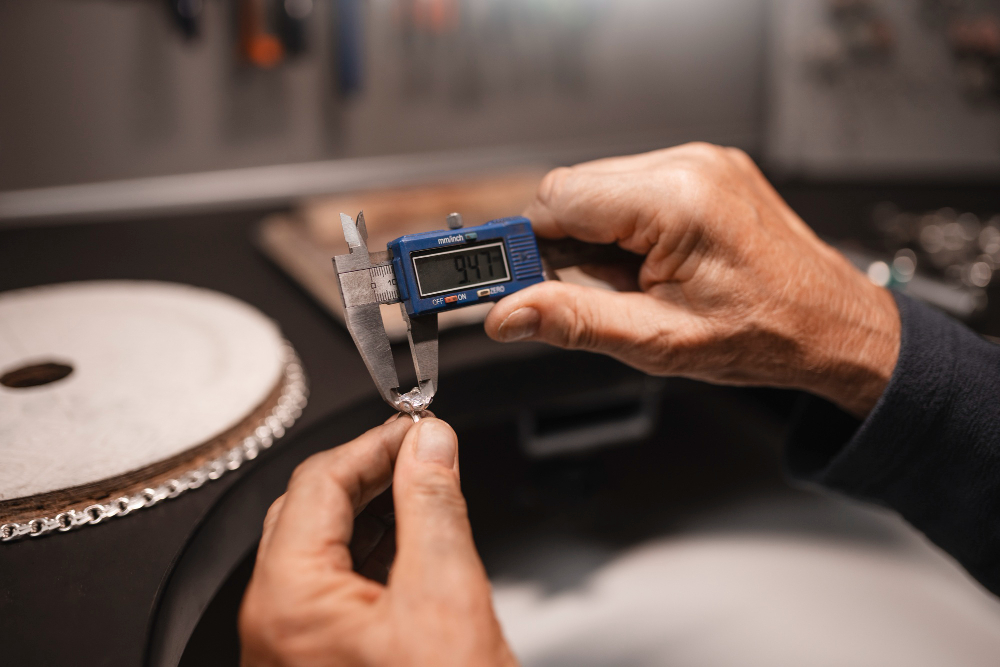
Understanding how to read metal measurements is essential for anyone who works with sheet metal, steel tubing, aluminum panels, or structural metal components. Whether you are a DIY hobbyist building a frame for your workshop, a contractor installing fabricated parts, a welder repairing machinery, or a professional fabricator working with precise specifications, knowing how to interpret metal thickness, gauge, dimensions, and weight ensures that your project is safe, stable, and built to last. Because metal measurements can appear in several formats—gauge numbers, decimal inches, millimeters, width, length, and calculated weight—many people find the terminology confusing at first. The good news is that once you understand the measurement systems and how they relate to one another, selecting the right material becomes far easier.
At Curtis Steel, we help customers choose the right type of metal for projects of all sizes. Whether you need carbon steel for heavy-duty applications, aluminum sheets for lightweight builds, grating and decking for industrial flooring, or welding supplies for fabrication, understanding metal measurements ensures accuracy and confidence in your decision. This article provides a complete overview of how to read metal measurements correctly so you can avoid errors and choose the ideal materials for your next project, making us one of the trusted metal and steel suppliers Las Vegas builders rely on.
Understanding How Metal Gauge Works
Metal gauge is one of the most widely used measurement systems, but it is also one of the most misunderstood. A gauge does not work like traditional measurement scales, where a higher number means more thickness. Instead, the metal gauge system works in reverse. A lower gauge number means a thicker, stronger piece of metal, while a higher number means a thinner sheet. For example, a 10-gauge steel sheet is significantly thicker than a 22-gauge sheet. This reverse relationship confuses many first-time buyers and fabricators, but once understood, the gauge system becomes easy to interpret.
Interestingly, gauge is not an exact universal measurement. Different metals have different decimal thicknesses even when they share the same gauge number. Aluminum, for example, is typically thicker at a given gauge than steel because of variations in density and manufacturing processes. This means that if you are working with multiple metal types, you should always reference a gauge chart specific to that material. If your project requires lightweight material or corrosion resistance, it may be worth exploring aluminum sheets, which you can find here.
Using Decimal Thickness for Precise Measurement
Decimal thickness provides the exact numerical measurement of a metal sheet’s thickness in inches. Rather than working with gauge values that can vary slightly between metal types, decimal thickness gives an accurate reading, such as 0.0478”, 0.0747”, or 0.120”. These decimal values are especially important for applications such as welding, CNC machining, laser cutting, bending, and industrial fabrication, where precision is essential.
For instance, if a design calls for 0.125” metal, using a gauge chart alone could be confusing because 0.125” may correspond to different gauge numbers depending on the material. When precision is a priority, choose metals listed in decimal thickness. which you can view at carbon steel ensures compatibility and avoids costly mistakes.
Understanding Sheet Metal Dimensions
When metal sheets are sold, their dimensions are almost always listed in the format Thickness × Width × Length. This format gives you a complete understanding of how much material you will be working with and helps you plan your cuts efficiently. A sheet listed as 0.075” × 48” × 96” indicates that it is 0.075 inches thick, 48 inches wide, and 96 inches long. These standard dimensions help manufacturers, designers, and builders estimate how many pieces they can cut from a single sheet and how much material is required for a job.
Common sheet sizes include 4 ft × 8 ft and 4 ft × 10 ft, but custom sizing is also available depending on your supplier. If your project requires walkable surfaces or heavy-duty flooring, traditional sheet metal may not provide the necessary support. These materials are often used in industrial environments, platforms, and elevated walkways. You can explore available options here through our durable Steel Grating Las Vegas products.
Reading Measurements for Tubing and Structural Steel
Not all metal products are measured using gauge or decimal thickness. Tubing, angle iron, and structural steel follow a different measurement system based on shape and wall thickness. For example, square or rectangular tubing is measured by its outside width, height, and wall thickness. A measurement listed as 2” × 2” × 0.125 wall indicates a piece that is two inches wide, two inches tall, and has a wall thickness of one-eighth of an inch.
Round tubing is measured using the outer diameter (OD) and wall thickness, while bars and flats are measured using width, thickness, and length. Because these shapes are commonly used for supports, frames, brackets, and structural reinforcements, an accurate understanding of these dimensions is essential for ensuring proper fit and load-bearing strength.
Why Metal Weight Calculations Matter
Metal weight plays a major role in project planning, especially for fabrication and construction. The weight of a metal sheet or tubing affects shipping costs, load-bearing requirements, installation difficulty, and equipment needs. Heavier metal provides increased strength and durability but requires stronger support and more powerful tools for cutting and welding.
The weight of a piece of metal is influenced by its density, thickness, and overall size. Steel is significantly heavier than aluminum, making it ideal for high-strength applications, while aluminum’s lightweight properties make it easier to transport and install. If your project involves welding thicker or heavier sheets, having the right tools and protection is essential. You can find specialized welding supplies at Curtis Steel.
Why Accurate Metal Measurements Matter in Every Project
Whether you are working on a small decorative project or a large industrial fabrication job, accurate metal measurement is vital. Misinterpreting gauge, thickness, or dimensions can result in weak structural integrity, poor fit, unnecessary material waste, and potentially dangerous outcomes. For example, using metal that is too thin for shelving or structural supports can lead to bending and collapse. On the other hand, choosing metal that is too thick may increase costs and require tools you do not have.
Frequently Asked Questions
Why does the metal gauge decrease as the metal becomes thicker?
The metal gauge originated from historical wire-drawing processes where thicker metal required fewer drawing steps.
Is decimal thickness more accurate than gauge measurements?
Yes. Decimal thickness provides the exact measurement in inches, making it more precise and reliable than gauge numbers, which can vary by material type.
How do I choose the correct thickness for my project?
Choosing thickness depends on whether your project requires flexibility, structural strength, or load-bearing capacity.
Do aluminum and steel have the same thickness at the same gauge?
No. Gauge measurements differ between aluminum and steel because the materials have different densities and manufacturing standards.
Where can I purchase welding supplies suitable for thicker metals?
Curtis Steel offers a wide range of welding supplies, including rods, gases, accessories, and more.
Conclusion
Reading metal measurements correctly is essential for the success and safety of any DIY or fabrication project. Understanding gauge, decimal thickness, sheet dimensions, tubing measurements, and weight ensures that you select the right material for your application. Whether you’re building furniture, fabricating equipment, repairing machinery, or designing metal structures, accurate measurement is the foundation for long-lasting and professional results.
At Curtis Steel, we are committed to helping builders, welders, and fabricators make informed decisions about their materials. Visit our site to explore the best materials for your next project—and contact us today for expert assistance and personalized guidance.