
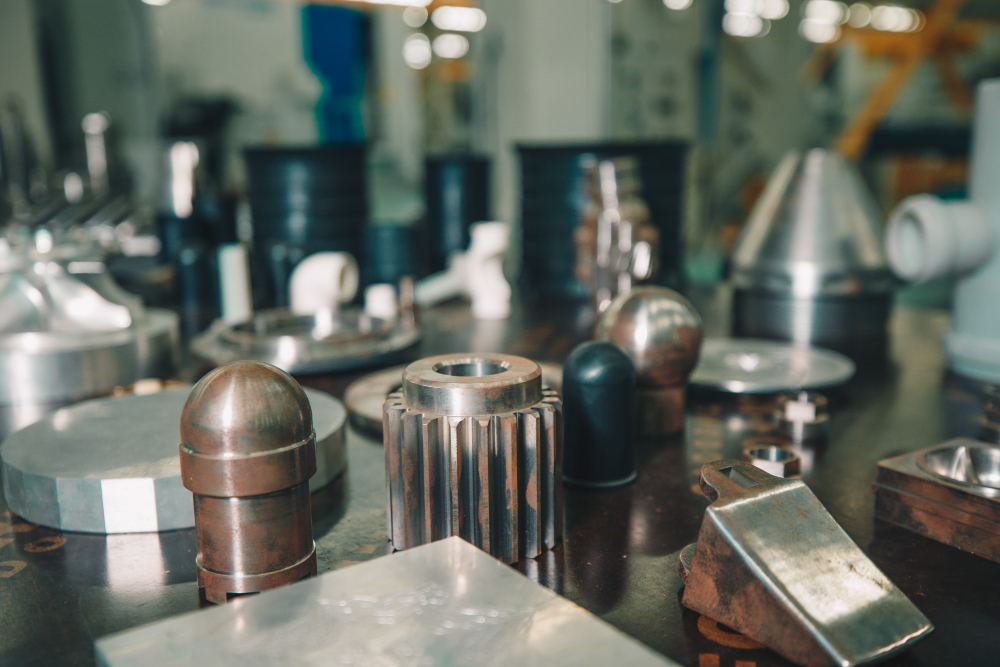
Custom metal fabrication is the backbone of construction, manufacturing, infrastructure, and industrial development. From structural beams in commercial buildings to precision components in machinery, fabricated metal plays a critical role in durability, performance, and safety. Choosing the right type of metal is one of the most important decisions in any fabrication project. Strength, corrosion resistance, weldability, machinability, and cost must all be carefully evaluated before materials are selected.
At Curtis Steel, we supply a wide range of high-quality metal products to contractors, fabricators, and industrial clients throughout Las Vegas. As a trusted source for metal and Steel supplier in Las Vegas, we understand that selecting the right material is critical to ensuring durability, performance, and cost-efficiency. Understanding the characteristics and applications of common metal types used in custom fabrication helps ensure your project is both cost-effective and built to last.
Below is a detailed look at the most widely used metals in custom fabrication and how each serves different project requirements.
Carbon Steel: The Most Versatile Fabrication Metal
Carbon steel remains one of the most commonly used materials in custom fabrication due to its strength, affordability, and adaptability. It is composed primarily of iron and carbon, and varying carbon levels determine its hardness and flexibility.
Low-carbon steel, also known as mild steel, is easier to weld and shape. It is often used in structural frames, support beams, and general fabrication projects. High-carbon steel, on the other hand, provides increased strength and wear resistance, making it suitable for heavy-duty industrial components.
Because of its balance between performance and cost, carbon steel is frequently selected for large-scale construction and infrastructure projects. Businesses seeking a reliable Carbon Steel Supplier in Las Vegas can explore available inventory and custom options through Curtis Steel’s comprehensive metal and steel supply services.
Stainless Steel: Corrosion Resistance and Clean Aesthetics
Stainless steel is widely recognized for its corrosion resistance and polished appearance. The addition of chromium forms a protective oxide layer that prevents rust and deterioration, even in harsh environments.
This makes stainless steel an excellent choice for applications exposed to moisture, chemicals, or fluctuating temperatures. It is commonly used in food processing facilities, medical equipment manufacturing, architectural railings, and outdoor structures.
Beyond durability, stainless steel offers a modern, clean aesthetic that makes it ideal for decorative applications. However, it requires precision welding and cutting techniques to maintain structural integrity and visual appeal. Working with an experienced supplier ensures access to high-quality stainless steel suitable for your fabrication needs.
Aluminum: Lightweight and Highly Workable
Aluminum is a preferred metal for projects requiring a high strength-to-weight ratio. It is significantly lighter than steel while maintaining strong structural properties. Its natural corrosion resistance makes it ideal for outdoor and marine applications.
Custom aluminum fabrication is commonly used for signage, framing systems, enclosures, panels, and transportation components. Contractors and fabricators sourcing aluminum tubing in Las Vegas often choose aluminum for its durability, lightweight performance, and rust resistance. Because aluminum is easier to machine and shape than many other metals, it allows fabricators to create intricate custom parts with efficiency.
Aluminum’s versatility makes it a practical solution for projects where reducing weight without sacrificing performance is essential.
Structural Steel: Built for Load-Bearing Applications
Structural steel is engineered specifically for strength and load-bearing performance. It is widely used in commercial buildings, warehouses, bridges, and industrial facilities. Fabricators rely on structural steel for beams, channels, angles, and columns that provide essential framework support.
The reliability of structural steel makes it one of the most critical materials in modern construction. Proper material sourcing ensures consistency, durability, and compliance with engineering standards.
Contractors working on large-scale projects benefit from partnering with a trusted steel distributor that can provide a timely and consistent supply throughout the build process.
Galvanized Steel: Added Protection Against Corrosion
Galvanized steel is carbon steel coated with zinc to protect against rust and environmental damage. The zinc layer acts as a barrier, extending the life of the metal even when exposed to moisture or outdoor conditions.
This makes galvanized steel ideal for fencing, roofing panels, structural supports, ductwork, and exterior components. It offers the strength of carbon steel with enhanced resistance to corrosion.
In climates where weather exposure is a concern, galvanized steel provides a cost-effective and durable solution.
Sheet Metal: Precision and Flexibility in Fabrication
Sheet metal fabrication involves cutting, bending, and assembling thin sheets of metal into finished products. Materials such as steel, stainless steel, and aluminum are commonly used in sheet metal applications.
Sheet metal is essential in HVAC systems, electrical enclosures, automotive parts, and industrial machinery. Precision is critical in sheet metal fabrication to ensure dimensional accuracy and structural performance.
Fabricators also rely on high-quality welding equipment and supplies to complete sheet metal projects efficiently and safely. As a trusted welding industrial supply company in Las Vegas, Curtis Steel supports local contractors and fabrication shops with professional-grade welding materials and dependable inventory.
Steel Grating and Decking Materials
Steel grating and decking materials are widely used in industrial environments where strength, drainage, and ventilation are required. Grating provides a safe walking surface while allowing debris and water to pass through.
These materials are commonly installed in factories, warehouses, and outdoor platforms. Steel decking also plays an important role in reinforcing concrete slabs during commercial construction projects.
For businesses seeking dependable Steel Grating in Las Vegas, sourcing high-quality materials is essential to ensure durability, safety, and compliance with structural standards. Selecting the appropriate material helps maximize performance and ensures long-term structural reliability.
Alloy Steel: Enhanced Strength for High-Stress Applications
Alloy steel is created by combining carbon steel with elements such as chromium, nickel, or molybdenum. These additions improve mechanical properties, including strength, toughness, and resistance to wear.
Alloy steel is commonly used in heavy machinery, automotive components, and high-stress industrial applications. When projects require superior durability and performance under extreme conditions, alloy steel offers significant advantages over standard carbon steel.
Choosing the Right Metal for Your Fabrication Project
Selecting the appropriate metal for custom fabrication depends on several factors. Load requirements, environmental exposure, fabrication processes, and budget constraints all influence the final decision.
Engineers and contractors must evaluate corrosion resistance, weldability, machinability, and long-term durability before choosing materials. Partnering with a knowledgeable supplier ensures access to quality inventory and expert guidance throughout the process.
Curtis Steel provides dependable metal supply solutions tailored to the needs of Las Vegas contractors, manufacturers, and industrial clients.
Frequently Asked Questions
What is the most common metal used in custom fabrication?
Carbon steel is the most widely used material due to its strength, versatility, and cost-effectiveness.
When should stainless steel be used instead of carbon steel?
Stainless steel is ideal for environments where corrosion resistance and cleanliness are priorities.
Is aluminum suitable for structural projects?
Aluminum is strong and lightweight, but it is typically used for lighter structural applications compared to structural steel.
What are the benefits of galvanized steel?
Galvanized steel offers enhanced corrosion protection due to its zinc coating.
How do I choose a reliable metal supplier?
Look for a supplier with a broad inventory, consistent material quality, competitive pricing, and industry expertise.
Conclusion
Understanding the common metal types used in custom fabrication ensures your project meets performance, durability, and cost requirements. Whether you need carbon steel, stainless steel, aluminum, structural steel, or specialty materials, selecting the right metal makes a significant difference in overall project success.
Curtis Steel is proud to serve contractors, fabricators, and industrial professionals throughout Las Vegas with reliable metal and steel supply solutions.Call us at 702.952.3000. For a free consultation to discuss your case, or please submit a form through here.