
The main difference between steel plate and steel sheet is thickness. Sheet is the thinner material, and plate is the heavier material. Most suppliers put the dividing line somewhere between 3/16 inch and 1/4 inch, so anything thinner is sold as sheet and anything at or above that range is sold as plate.
That difference affects how the material is measured, cut and handled. It also decides which one belongs in your project, so it is worth sorting out before you order.
Where sheet ends and plate begins
There is no single industry-wide number. Thomasnet places the dividing line at about 1/4 inch (6.35 mm), and many service centers use 3/16 inch (0.1875 inch). In practice, the material between those two thicknesses can be listed either way depending on the supplier. If your drawing calls for 3/16-inch steel, ask whether it is stocked as sheet or plate so you are comparing the same product across quotes.
How each one is measured
Sheet steel is usually sold by gauge. Gauge numbers run backward, so a higher number means thinner metal. On the Manufacturers Standard Gage for steel, 16 gauge is about 0.0598 inch and 18 gauge is about 0.0478 inch. Gauge thickness also changes from one metal to another. Thomasnet notes that 16-gauge aluminum is about 0.0508 inch, thinner than 16-gauge steel, because aluminum follows a different gauge system.
Plate is sold by its actual thickness in fractions or decimals of an inch, such as 1/4, 3/8, 1/2 or 1 inch. There is no gauge conversion to worry about, which makes plate thickness easier to read on a drawing or a quote. If you are still choosing a sheet thickness, our guide to metal gauge for DIY projects walks through common gauges and where each one fits.
How sheet and plate are made
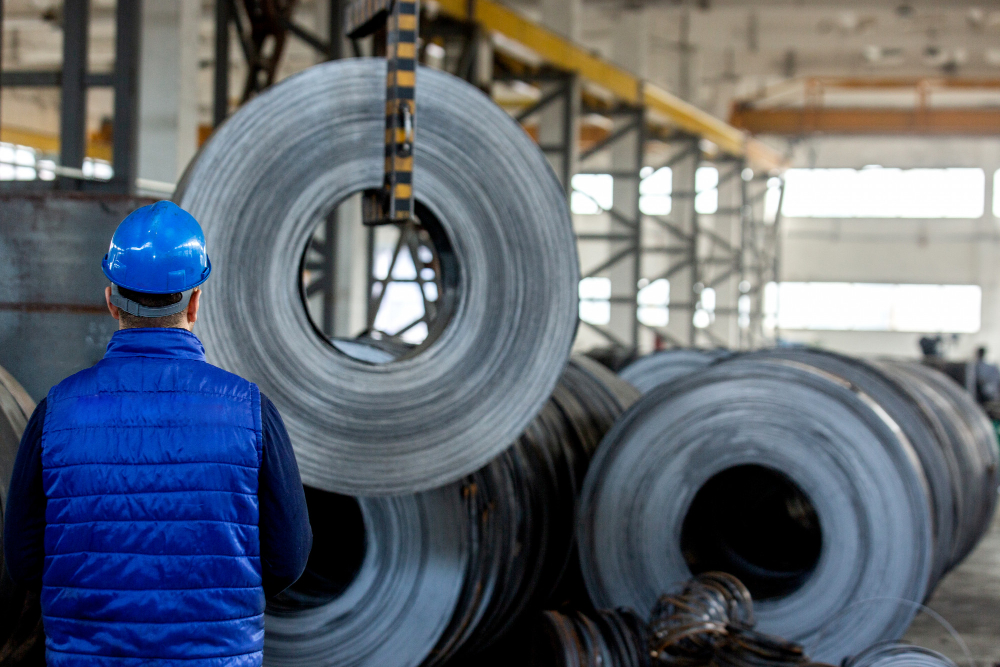
Both start as steel slabs that are rolled down to thickness. Sheet goes through more rolling passes to get thin, and it is often coiled at the mill before being cut into flat sheets. It is available hot rolled, cold rolled and with coatings such as galvanizing. Cold rolled sheet has a smoother finish and tighter thickness tolerances, which matters for visible parts and precise fits. Our post on hot rolled and cold rolled steel explains how the two processes affect finish and strength.
Plate is generally hot rolled. The surface is rougher and may carry mill scale, the dark oxide layer that forms during hot rolling. For structural and heavy-duty work, that finish is rarely a concern, and mill scale can be removed before painting or coating.
Strength, weight and flexibility
Thicker steel carries more load and resists bending, denting and impact better. That is why plate shows up in base plates, brackets, trailer frames and equipment repairs, where a part has to hold weight or take abuse.
The trade-off is weight. A flat steel sheet or plate weighs roughly 40.8 pounds per square foot for each inch of thickness. A 4-by-8 sheet of 16-gauge steel is light enough for one or two people to handle, while a 4-by-8 piece of 1/2-inch plate weighs more than 600 pounds and needs a forklift or crane. Plan for handling, delivery and installation before you choose a heavier plate than the job needs.
Sheet bends more easily, which is useful when a part has to be formed into a channel, box or enclosure. Plate can be bent too, but it takes heavier equipment, and the thicker the plate, the larger the bend radius it needs to avoid cracking.
How each one is cut
Thin sheet is usually cut on a shear, a press brake handles the bends, and laser cutting is common for detailed shapes and holes. Curtis Steel & Aluminum Co offers sheet metal shearing and forming for straight cuts and formed parts such as angles, channels and stair treads.
Heavier plate is often cut with a cutting torch or plasma, especially for thick material and large pieces. Our plate burning service uses track torch equipment to cut steel plate up to 3 inches thick and up to 20 feet long, so you can order pieces close to finished size instead of cutting them yourself.
For parts with tight curves, small holes or repeated shapes, laser cutting produces clean edges with little cleanup. The right method depends on the thickness, the shape and how many parts you need.
Common uses for steel sheet
- Enclosures, cabinets and electrical boxes
- Ductwork, flashing and trim
- Shelving, brackets and light-duty panels
- Wall panels, signs and decorative work
- Vehicle body panels and small repair patches
Common uses for steel plate
- Base plates for columns and posts
- Gussets, brackets and structural connections
- Trailer beds, truck bumpers and equipment repairs
- Wear surfaces, ramps and heavy-duty work tables
- Machinery frames and mounting plates
What about diamond plate?
Diamond plate, also called tread plate or checker plate, has a raised pattern on one side for grip on steps, ramps, truck beds and toolboxes. Despite the name, it is often sold in thicknesses that fall in the sheet range. When you order it, specify the thickness in inches or gauge rather than relying on the word “plate.”
How to choose between sheet and plate
Start with what the part has to do. If it needs to carry a load, resist impact or anchor something to concrete, plate is usually the right choice. If it needs to be bent, formed, cut into detailed shapes or kept light, sheet is usually the better fit.
Next, check the drawing or the engineer’s spec. Structural parts often have a required thickness and grade, and those requirements come first. For DIY and repair work with no spec, our guide on how thick steel needs to be for your project covers typical thicknesses for common builds.
Finally, think about cutting and handling. If you do not have the tools to cut thick plate cleanly, ordering it cut to size is often faster and more accurate than cutting it on site.
Frequently asked questions
Is 3/16-inch steel sheet or plate?
It depends on the supplier. Some treat 3/16 inch as the start of plate, while others call anything under 1/4 inch sheet. Ask how the material is listed when you compare quotes.
What gauge is 1/4-inch steel?
Steel at 1/4 inch and thicker is usually listed by thickness in inches rather than by gauge. Gauge numbers are normally used for thinner sheet.
Is steel plate stronger than steel sheet?
A thicker piece of the same grade carries more load and resists bending better. Strength also depends on the steel grade, so check both thickness and grade for structural work.
Can steel plate be bent?
Yes, with the right equipment. Thicker plate needs more force and a larger bend radius to avoid cracking, so heavy bends are usually done with industrial press brakes or rolling equipment.
Can I order steel plate or sheet cut to size?
Yes. Many metal suppliers cut sheet and plate to your dimensions, which saves handling large full-size pieces and reduces waste. Have your measurements and thickness ready when you call.
Conclusion
Steel sheet and steel plate come from the same material, but thickness changes how each one is measured and used. Sheet suits formed, lightweight and detailed parts, and plate suits parts that carry weight or take impact.
Curtis Steel & Aluminum Co supplies carbon steel and cuts plate and sheet to size in Las Vegas. To talk through the right thickness for your project, call 702.952.3000 or contact our team.