
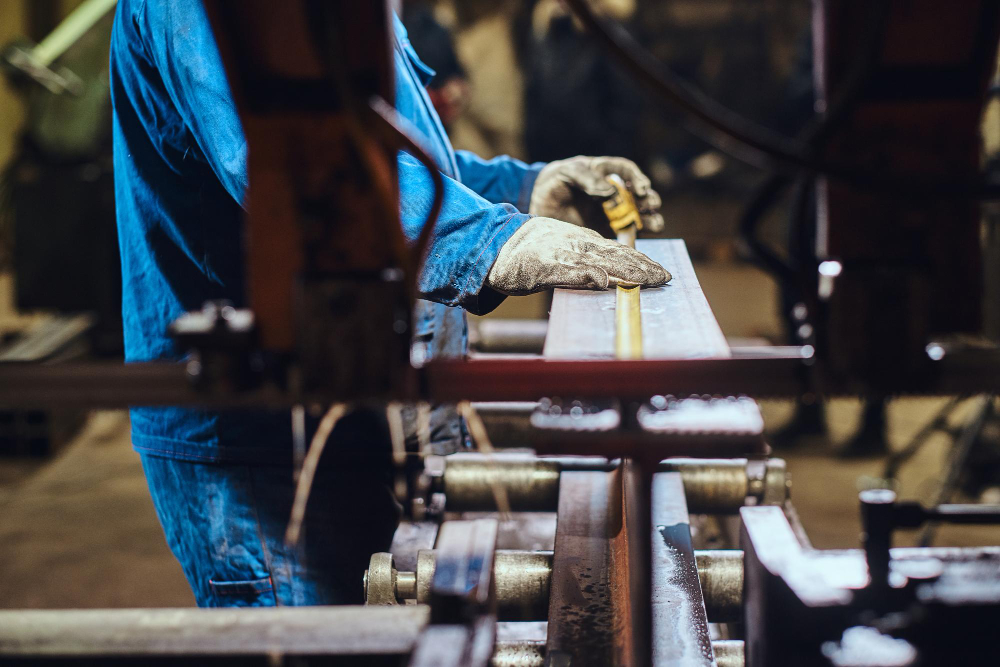
Metal rolling is one of the most important processes in metalworking, even though most people never see it happen. It shapes the steel beams in buildings, the curved railings on staircases, and countless other parts we use every day. Rolling can flatten metal into thin sheets or bend it into smooth curves and rings. If you are planning a construction or fabrication project, understanding how rolling works helps you choose the right material and process. Here is a clear look at what metal rolling is, how it works, and how it is used.
What Is Metal Rolling?
Metal rolling is a forming process that passes metal through a set of rotating rolls to change its shape. The rolls apply pressure to the metal, either to make it thinner and flatter or to bend it into a curve. It is one of the oldest and most widely used ways to shape metal.
There are two main ideas behind the word rolling. The first is flat rolling, which reduces the thickness of metal to produce sheet, strip, and plate. The second is roll bending, which curves bars, plates, beams, and tubes into arcs, rings, and spirals. Both processes rely on the same basic principle: rollers shaping metal under steady pressure. These techniques are widely used throughout the metal supply industry to create materials and components for construction, manufacturing, transportation, and custom fabrication projects. The right method depends on the specific shape, dimensions, and performance requirements of the finished product.
How the Metal Rolling Process Works
The process starts with a piece of metal stock, such as a slab, bar, plate, or tube. The metal is fed between rolls set to a specific gap or angle. As the rolls turn, they press and guide the metal, gradually shaping it with each pass.
For flattening, the metal passes through rolls that squeeze it thinner and longer, often in several stages until it reaches the target thickness. For curving, the rolls bend the metal a little at a time until it forms the desired radius. Operators adjust the roll position carefully, because small changes have a big effect on the final shape. Skill and the right equipment make the difference between a clean result and a flawed one.
Hot Rolling vs. Cold Rolling
Flat rolling is done in two main ways. Hot rolling shapes metal at high temperatures, above the point where it becomes easier to form. It is faster and less expensive, and it works well for large structural shapes. The trade-off is a rougher surface and looser tolerances.
Cold rolling shapes metal at or near room temperature. It produces a smoother surface, tighter tolerances, and added strength. Cold-rolled steel is common where appearance and precision matter. Neither method is better in every case. Hot rolling suits heavy structural work, while cold rolling suits parts that need a clean finish and exact dimensions. Knowing the difference helps you specify the right material for your project.
Roll Bending: Shaping Metal Into Curves
When fabricators and steel suppliers talk about rolling steel, they often mean roll bending. This process uses a set of rolls to curve metal into smooth arcs, full rings, cylinders, cones, and spirals. It is how a straight beam becomes a curved arch, or a flat bar becomes a circular frame.
Roll bending can shape many forms, from angle and channel to plate, pipe, and tube. The metal passes through the rolls repeatedly, bending a little more each time until it reaches the right curve. Our rolling steel service handles everything from curved railings and structural beams to angle rolling and spiral shapes, giving fabricators precise, repeatable results.
Materials and Shapes That Can Be Rolled
A wide range of metals can be rolled. Carbon steel is the most common, valued for its strength and versatility in construction and fabrication. Stainless steel and aluminum are also rolled regularly, each chosen for properties like corrosion resistance or light weight.
The shapes that can be rolled are just as varied. Sheet and plate, round and square bar, angle, channel, beam, pipe, and tube can all be curved or formed. The best choice depends on the load, the look, and the environment the finished piece will face. A knowledgeable supplier helps match the metal and the shape to the job.
How Metal Rolling Is Used
Rolled metal is everywhere. In construction, rolled beams and plates form the curved and structural elements of buildings, bridges, and stadiums. Curved railings, spiral staircases, and architectural features rely on roll bending to achieve their shape. Storage tanks, pressure vessels, and pipes are made from rolled plate formed into cylinders.
Rolling also serves manufacturing and design. It creates rings and flanges for machinery, decorative pieces for ornamental metalwork, and custom curves for one-of-a-kind builds. Because rolling can be repeated with precision, it is ideal for projects that need matching parts. Almost any project that calls for a smooth, strong curve depends on metal rolling.
Why Work With a Professional Rolling Service
Rolling metal well takes the right equipment and an experienced operator. Done correctly, it produces clean, consistent curves without weakening or marking the metal. Done poorly, it can crack, distort, or ruin a piece. That is why many fabricators rely on a dedicated metal supplier for rolling and other processing.
Having rolling done before delivery also saves time on site. When your material arrives already shaped to spec, your crew can move straight to assembly. Our other forming services complement rolling, so we can prepare your metal completely before it leaves our facility. The result is less rework, fewer delays, and a better finished product.
Locations We Serve
Curtis Steel serves customers well beyond Las Vegas. Our metal supply and processing services, including rolling, reach businesses and contractors across the region. We proudly serve Phoenix, St. George, Victorville, and Cedar City, along with the greater Las Vegas Valley. Wherever your project is located, our team can help you get the right metal, shaped and cut to your specifications, and delivered where you need it.
Frequently Asked Questions
What is metal rolling in simple terms?
Metal rolling is shaping metal by passing it through rotating rolls. The rolls either flatten the metal into thinner sheets and plates or bend it into curves, rings, and cylinders.
What is the difference between hot rolling and cold rolling?
Hot rolling shapes metal at high temperatures, which is faster and cheaper and suits heavy structural work, but it leaves a rougher surface.
What metals can be rolled?
Carbon steel, stainless steel, and aluminum are all commonly rolled. The right choice depends on the strength, corrosion resistance, weight, and finish your project needs.
What shapes can be made by roll bending?
Roll bending can create arcs, full rings, cylinders, cones, and spirals from plate, bar, angle, channel, beam, pipe, and tube.
Why should I use a professional metal rolling service?
A professional service delivers clean, consistent curves and can prepare your metal to spec before delivery, saving time and reducing rework on site.
Conculsion
Metal rolling turns raw steel and aluminum into the sheets, curves, and shapes that projects depend on. Whether it is flattening plate or bending a beam into a perfect arc, rolling combines steady pressure with skilled control to produce strong, precise results. Choosing the right method and a reliable supplier keeps your project accurate and on schedule.
Curtis Steel & Aluminum has supplied and processed metal for Nevada projects since 1970. From rolling and forming to cutting and delivery, we help contractors and fabricators get exactly what they need. To get started, call 702.952.3000 or request a quote.