
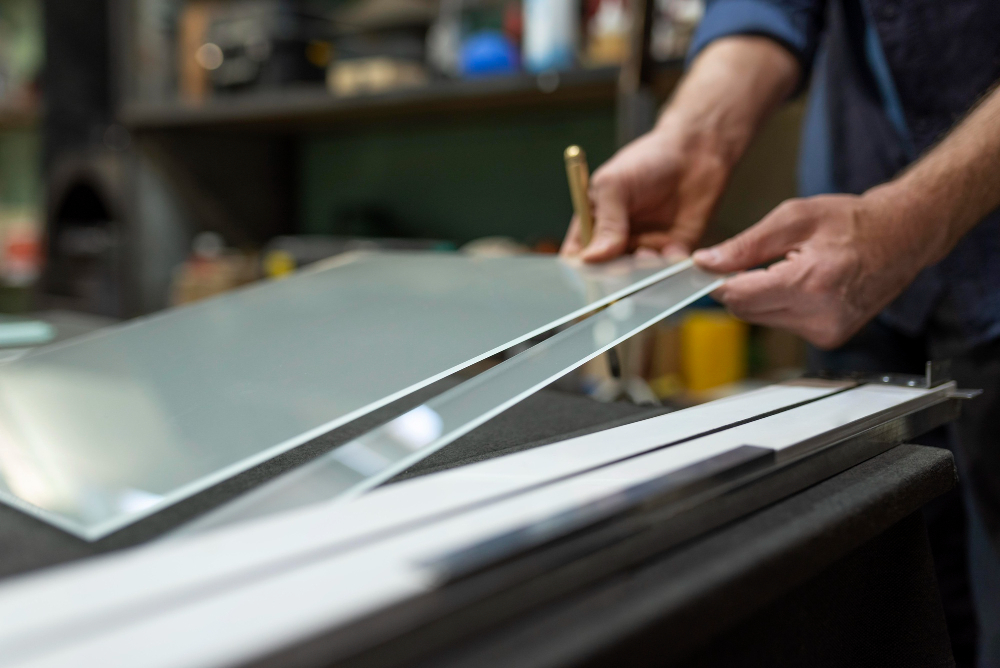
Aluminum has become one of the most widely used materials in modern fabrication due to its exceptional versatility, lightweight strength, and resistance to corrosion. Across industries such as construction, automotive manufacturing, aerospace engineering, and industrial equipment production, aluminum plays a critical role in shaping modern infrastructure and advanced manufacturing systems.
Fabricators prefer aluminum because it offers an excellent balance between strength and weight. Compared to many other metals, aluminum is significantly lighter while still providing durability and structural integrity. This makes it ideal for projects that require strong materials without adding excessive weight to the final product.
Companies working with metal fabrication often rely on dependable metal suppliers to source high-quality aluminum tubing las vegas materials. Businesses seeking aluminum products for fabrication projects can explore available materials through suppliers such as Curtis Steel here.
Why Aluminum Is a Preferred Material for Fabrication
One of the primary reasons aluminum is so widely used in fabrication is its excellent strength-to-weight ratio. Aluminum provides structural strength while remaining significantly lighter than many other metals, such as steel. This property is particularly valuable in industries where reducing weight improves efficiency, performance, and transportation costs.
Aluminum also provides natural corrosion resistance. When exposed to air, aluminum forms a thin oxide layer that protects the material from environmental damage. This protective layer helps prevent rust and deterioration, making aluminum suitable for outdoor structures, marine environments, and transportation equipment.
These advantages make aluminum an ideal material for modern fabrication processes where durability, weight reduction, and design flexibility are important considerations.
Common Aluminum Materials Used in Fabrication
Modern fabrication projects rely on several types of aluminum materials depending on the intended application. Among the most commonly used aluminum products are sheets, plates, bars, and tubing.
Aluminum sheets are widely used for lightweight panels, enclosures, roofing systems, and architectural elements. Because they are easy to shape and form, sheets are commonly used in decorative applications and industrial equipment coverings.
Aluminum tubing is another essential product in fabrication. Tubes provide excellent structural support while maintaining a lightweight design. This makes them ideal for automotive frames, handrails, machinery structures, and architectural designs.
Businesses working on fabrication projects often depend on reliable metal and steel suppliers Las Vegas to ensure material consistency and availability. Suppliers like Curtis Steel provide aluminum tubing and other structural materials that support fabrication projects across multiple industries.
Aluminum in Construction and Architectural Fabrication
The construction industry is one of the largest consumers of aluminum fabrication. Architects and engineers frequently use aluminum components in building systems because the material offers durability, corrosion resistance, and design flexibility.
Aluminum is commonly used in window frames, curtain walls, roofing panels, and structural supports. These components provide long-term performance while maintaining a modern aesthetic appearance.
In commercial buildings, aluminum fabrication allows designers to create large structural systems that are both lightweight and durable. Because aluminum weighs significantly less than steel, it reduces the overall load placed on building foundations while still maintaining strength.
Architectural aluminum components can also be finished in various colors and coatings, making them suitable for modern building designs that require both functionality and visual appeal.
Aluminum in Automotive and Transportation Manufacturing
The transportation industry has increasingly adopted aluminum fabrication in recent decades. Automotive manufacturers use aluminum components to reduce vehicle weight, improve fuel efficiency, and enhance overall performance.
Lightweight aluminum frames, body panels, and structural components help vehicles achieve better fuel economy while maintaining safety standards. In electric vehicles, weight reduction is particularly important because it allows batteries to deliver longer driving ranges.
Beyond automobiles, aluminum fabrication is also widely used in rail transportation, aircraft manufacturing, and marine applications. Aircraft manufacturers rely heavily on aluminum alloys because they provide structural strength while minimizing aircraft weight.
Similarly, marine vessels use aluminum due to its corrosion resistance in saltwater environments. These qualities make aluminum fabrication essential for modern transportation systems across multiple industries.
Industrial Machinery and Equipment Applications
Industrial equipment manufacturers frequently use aluminum fabrication to produce machine components, frames, and custom mechanical parts. Aluminum’s machinability allows manufacturers to create precise components that meet strict engineering specifications.
Fabricated aluminum parts are often found in factory automation systems, robotics, conveyor systems, and industrial processing equipment. Because aluminum is lightweight, it simplifies installation and maintenance compared to heavier metals.
For those interested in exploring other uses, aluminum’s versatility also extends to creative projects—learn how it can be used in home and DIY applications in this guide.
Environmental and Sustainability Benefits of Aluminum
Another major advantage of aluminum fabrication is its environmental sustainability. Aluminum is one of the most recyclable metals available, and it can be recycled repeatedly without losing its structural properties.
Recycling aluminum requires significantly less energy than producing new aluminum from raw materials. This makes aluminum an environmentally responsible choice for manufacturers seeking sustainable materials.
Because aluminum is lightweight, it also reduces transportation energy costs when used in vehicles and infrastructure. These efficiency benefits contribute to lower carbon emissions across multiple industries.
For businesses focused on sustainability, aluminum fabrication offers both environmental and economic advantages.
Choosing a Reliable Aluminum Supplier
The success of fabrication projects often depends on the quality of the materials used. Fabricators require aluminum products that meet strict industry standards while maintaining consistent dimensions and structural properties.
Working with an experienced metal distributor ensures access to a wide range of aluminum products, including sheets, plates, tubing, and structural materials.
Reliable suppliers also provide dependable inventory availability and delivery schedules, which help fabrication companies maintain efficient production timelines.
Companies such as Curtis Steel specialize in supplying aluminum materials that support fabrication projects across construction, manufacturing, and industrial sectors. By working with trusted suppliers, fabricators can ensure they receive materials that meet their project specifications.
FAQs
1. What industries use aluminum fabrication?
Aluminum fabrication is commonly used in construction, automotive manufacturing, aerospace engineering, transportation systems, and industrial equipment production.
2. Why is aluminum preferred in fabrication projects?
Aluminum offers a strong strength-to-weight ratio, corrosion resistance, and excellent machinability, making it ideal for modern fabrication applications.
3. Can aluminum be welded and machined easily?
Yes. Aluminum can be cut, welded, machined, and shaped into complex components, which makes it highly versatile for fabrication projects.
4. Is aluminum environmentally friendly?
Yes. Aluminum is highly recyclable and can be reused repeatedly without losing its structural properties.
5. Where can businesses purchase aluminum materials for fabrication?
Businesses can source aluminum materials from trusted metal suppliers such as Curtis Steel, which provides sheets, plates, tubing, and structural aluminum products.
Conclusion
Aluminum has become an essential material in modern fabrication because of its lightweight strength, corrosion resistance, and exceptional versatility. From architectural construction and transportation manufacturing to industrial machinery and infrastructure projects, aluminum plays a crucial role in shaping modern engineering solutions.
Fabricators rely on aluminum materials to create durable, efficient, and innovative products that meet the demands of modern industries. Its adaptability allows engineers and designers to develop advanced structures and components while maintaining performance and sustainability.
As technology continues to evolve, aluminum fabrication will remain a key component of the manufacturing and construction industries worldwide.Businesses looking for high-quality aluminum materials for fabrication projects can explore available products through Curtis Steel.
To learn more about aluminum materials or request assistance for your project, contact Curtis Steel today.